
More Information
Submitted: 05 November 2019 | Approved: 14 November 2019 | Published: 15 November 2019
How to cite this article: Murthy VE. Alcoholism and its implications for the dental team, an update and review of the literature. J Clin Adv Dent. 2019; 3: 004-017.
DOI: 10.29328/journal.jcad.1001010
ORCiD: orcid.org/0000-0002-5455-0732
Copyright License: © 2019 Murthy VE. This is an open access article distributed under the Creative Commons Attribution License, which permits unrestricted use, distribution, and reproduction in any medium, provided the original work is properly cited.

Alcoholism and its implications for the dental team, an update and review of the literature
Vignesh Eswara Murthy*
Dental Core Trainee in Community Paediatric Dentistry, Cwm Taf Morgannwg University Health Board, Keir Hardie University Health Park, Merthyr Tydfil, UK
*Address for Correspondence: Vignesh Eswara Murthy, Dental Core Trainee in Community Paediatric Dentistry, Cwm Taf Morgannwg University Health Board, Keir Hardie University Health Park, Merthyr Tydfil, UK, Tel: 00447438433482; Email: [email protected]; [email protected]; [email protected]
Precis: This Literature review is intended to provide dental practitioners with an update of the implications that Alcoholism poses to them.
Statement of the problem: Alcoholism raises several distinct problems for dental professionals.
Purpose of the study: The focus of this review has been to primarily identify and critically appraise the associations between alcoholism and the various difficulties that have been derived from the literature.
Materials and methods: A structured review of the literature was undertaken using PubMed, Google Scholar and the Cochrane library, additional searching of reference lists was also undertaken. A number of articles were critically analyzed which included Cochrane and systematic reviews, meta-analyses and a number of cross-sectional studies. The data was compared under several headings and tabulated in certain instances.
Results: Alcoholism raises various implications that dental professionals should be aware of including increased incidences of caries, periodontal disease, pathological tooth wear & oral cancer. Chronic Alcohol intake interacts with the pharmacodynamics and kinetics of many routinely prescribed medications in routine dental practice. In addition, there are problems related to access to care and during acute episodes of intoxication abusers may participate in antisocial behavior in the healthcare environment.
Conclusion: Alcoholism has several implications for the dental team, however, dentists who are familiar with the manifestations of the illness, as well as the challenges raised in dental practice can confidently offer these patients a full range of dental treatment.
The American Medical Association defines alcoholism as an illness characterised by significant impairment (a type of drug dependence) that is directly associated with persistent and excessive use of alcohol [1]. Alcoholism is a broad term that envelopes a variety of Alcohol Use Disorders (AUD). The World Health Organization (WHO) estimates that approximately 3.3 million deaths globally are a result of harmful drinking and lists alcohol consumption as the third largest risk factor for disease and disability [2].
Alcoholism raises several distinct difficulties for dental patients. Alcoholics may exhibit greater levels of caries, periodontal disease and Pathological Tooth Wear (PTW) [3-5]. Management of these conditions is more difficult due to a lower level of compliance observed in alcoholics [6]. The alcoholic dental patient has an increased risk of developing oral cancer [7]. In alcoholic liver disease, there is an increased risk of prolonged bleeding after invasive dental procedures, because of a reduction in production of clotting factors by the liver [8]. Difficulties exist when prescribing medications for these patients, as alcohol interacts with most of the frequently prescribed pharmaceuticals in dentistry. In addition, chronic alcoholism can alter the pharmacodynamics of some of these medications [9]. During episodes of acute intoxication, abusers may participate in antisocial and sometimes violent behaviour, which can be challenging for the dentist to manage, all the while obstructing the fruition of a positive and healthy relationship between dentist and patient [9].
The focus of this article has been to primarily identify and critically appraise the associations between alcoholism and the various difficulties that have been described above.
Alcoholism and saliva/salivary glands
Sialadenosis (asymptomatic enlargement of the salivary glands) is observed frequently in alcoholics [10-12]. Depending on the study incidence varied from 30%-80% [13-17]. The precise mechanism is unknown but it is thought to be due to adipose infiltration (abnormal fat metabolism due to altered liver function) and acinar hypertrophy [18-22]. The morphological and histological change found could account for the reduction in Salivary Flow Rate (SFR) observed in alcoholic patients [18]. The reduction in SFR appears to be more prevalent in cirrhotic alcoholics but a reduction is also seen in non-cirrhotic alcoholics [23]. There is also an altered mineral, electrolyte and enzyme composition of saliva observed in these patients and such differences in composition may be in part contributory to the increased incidence of dental diseases in alcoholic patients [24-27].
Alcoholism and caries
Globally, reliable epidemiological data on dental caries and alcohol abusers are scarce, however a link between regular consumption of alcohol and caries has been established [3,28-30].
A common treatment for liver cirrhosis is diuretic drugs which can cause reduced SFR, also patients may suffer from Sjögrens syndrome as a result of primary biliary cirrhosis which may contribute to the development of caries [31,32]. An in vivo study on rats ingesting only an alcoholic diet showed a higher count of Streptococcus mutans. The precise mechanism is unknown but may be related to an increased rate of production of acetaldehyde [33].
Interestingly, a considerable number of studies found lower or comparable caries experience when compared to control groups, national averages and other substance abusers [34-40]. Summaries of the main findings of these studies are included in table 1. Possible explanations for the decreased caries rate observed are explored in figure 1.
| Table 1: Summaries of main findings from studies investigating Alcoholism and Caries. | |||
| Study | Study Type | Sample size | Main Findings |
| Priyanka, et al. [3]. | Comparative Cross-Sectional | 76 | Significantly higher caries experience as measured by DMFT (decayed component was higher (mean DF of 3.52 vs 3.13)) among alcohol dependents compared to non-alcoholic subjects. However, this result was not statistically significant. |
| Dukic, et al. [35]. | Cross-Sectional | 70 | No differences in DMFT in alcoholics and the control groups of non-alcoholics. No significant correlation between salivary flow rates. |
| O’Sullivan, et al. [36]. | Observational Cross-Sectional | 210 | Higher DMFT scores amongst alcohol abusers compared with alcohol and drug abusers, however lower decayed teeth were observed in the alcohol only abusers (mean DF of 1.7 vs 2.4). |
| Enberg, et al. [28]. | Radiological Observational | 85 | Using panoramic radiographs to assess for caries authors found a higher rate of caries when compared to non-alcoholic controls, but panoramic radiographs are not the gold standard for the diagnosis of caries. [129] |
| Rooban, et al. [30]. | Retrospective | 268 | Lower DMFT score in alcoholics when compared with alcoholics who smoke. |
| Harris, et al. [37]. | Observational Cross-Sectional | 107 | DMFT scores were comparable with the national levels in the UK. |
| Hornecker, et al. [38]. | Pilot Study | 100 | The number of teeth with carious lesions was relatively low and high DMFT is a result of missing teeth which may be due to periodontal disease. |
| Johnson, et al.[40]. | Pilot Survey | 26 | Caries experience of alcoholics lower than opioid abusers. |
| Niquille, et al. [29]. | Descriptive Cross-Sectional | 624 | Compared hospitalised alcoholics to non-alcoholics and found strongest differences between young alcoholics and non-alcoholics suggesting an important role of non-alcohol related factors, such as a traumatic childhood. |
| Dasanayake, et al. [39]. | Observational Cross Sectional | 363 | Alcohol only abusers had a lower caries experience (DMFT) when compared to Alcohol and Drug abusers. |
| Kaplan and Shapiro [34]. | Comparative | 57 | No differences in DMFT between institutionalized alcoholics and the non-institutionalized population. |
| DMFT: Decayed, Missing, Filled Teeth; DF: Decayed and Filled Teeth | |||
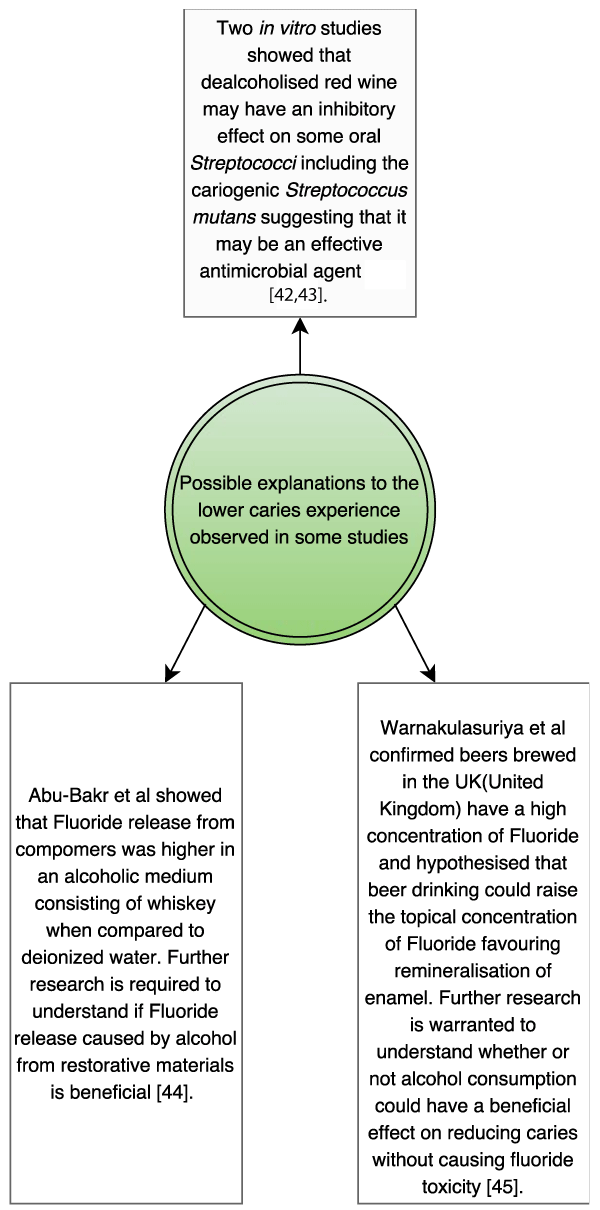
Figure 1: Possible explanations to the lower caries experience in alcoholics observed in some studies.
A fundamental flaw in many of the studies cited in table 1 is that Information on participants alcohol consumption was based on self-reporting which cannot be validated independently (However, a detailed study comparing self-reporting to dietary analysis interview found very little difference in the rates of consumption [41]). Clinical findings were also subjective in nature and no appropriate radiographs were used in the diagnosis of caries. Cross-sectional studies also fundamentally do not allow temporal relationships to be formed between two variables.
Alcoholism and periodontal disease
Early associations between alcoholism and periodontal disease have been made but most of these studies attributed the higher incidence of periodontal disease due to poor oral hygiene (OH) practices [31,46]. More recent research may indicate that alcoholism is an independent risk factor for periodontal disease.
Alcoholics are more likely to have poor OH, this may be related to impaired motor activity as a result of alcoholism, use of a hard toothbrush, the alcoholic lifestyle or limited knowledge and access to dental care. Alcoholics may use a hard toothbrush to mask the alcoholic odor after consumption [6].
A systematic review including twelve studies on alcohol consumption and four studies on alcohol dependence concluded that there is insufficient evidence to support that there is a relationship between alcoholism and periodontal disease, however sufficient evidence exists to suggest alcohol consumption is a risk indicator for periodontitis. Meta-analysis could not be performed as each of the studies used different measures to clinically assess alcohol consumption/dependence and periodontal disease [47]. However, a recent meta-analysis concluded that there was a linear dose-response relationship between alcohol consumption and risk of periodontal disease (Figure 2). Eleven of the Eighteen studies showed a statistically significant correlation between alcohol consumption and periodontitis. This risk, when stratified was doubled in females compared to a 25% increase in men. The analysis was based on a large number of studies (18) and the studies were adjusted for confounding variables which did not seem to have a major effect on the results. However, differences between the studies contributed to a large amount of heterogeneity, this high level of heterogeneity may have not been completely explained by meta-regression of the sub-group analysis. The combination of data from both cross-sectional and cohort studies could mean an overestimation of Relative Risk (RR), as the cohort studies showed lower risk. There was little information included on type of beverage and associated risk. A number of the studies did not adjust for OH [4,48].
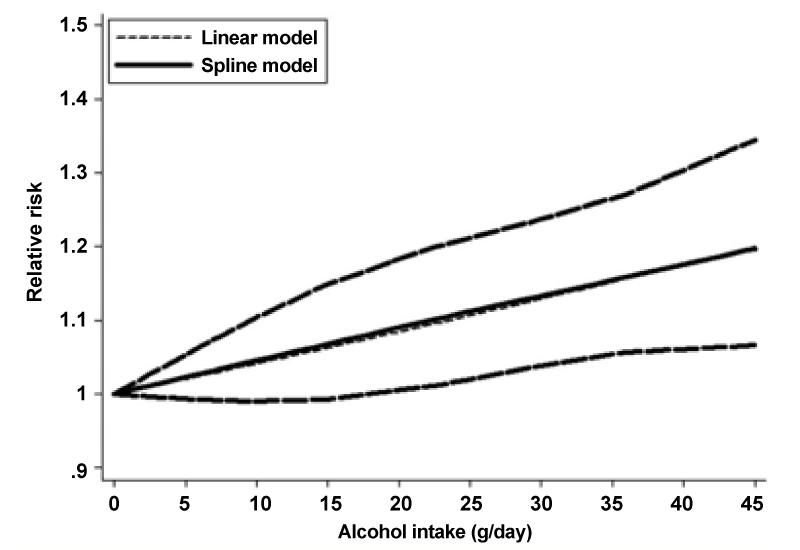
Figure 2: Dose-response relationship between alcohol consumption and periodontitis risk (Wang, et al. [4], Meta-analysis).
Few studies have found that no relationship exists between the two variables [49,50]. Kongstad, et al. [51], suggested a possible antimicrobial effect of ethanol similar to that of alcohol containing mouthrinses and the possible beneficial effect of wine as men consuming wine and spirits had lower odds-ratios for bleeding on probing [51]. Chronic alcoholism as indicated by Gamma-Glutamyl Transpeptidase (GGTP) levels was positively associated with increased plaque levels in one study, suggesting that for alcohol to exert its antibacterial effect it requires more time than the mere act of swallowing and drinking. This study used GGTP as a biological marker for alcohol abuse in order to alleviate the biases involved with self-reporting [52].
Tezal, et al. [53], found that alcoholics harbored high levels of Bacteroides forsythus and Porphyromonas gingivalis. In an attempt to quantify periodontal pathogens and cytokines in alcoholics a study found that alcohol dependents with periodontal disease had a higher frequency of some periodontal pathogens namely Prevotella intermedia, Eikenella corrodens and Fusobacterium nucleatum [54]. An increased production of cytokines has been observed in these patients suggesting that cytokines may be regulated as a result of alcohol induced damage to the periodontium [52,54,55]. When smokers were excluded from this group the microbiological and immunological results were similar suggesting an independent effect of alcohol. Novacek, et al., highlighted that dental aggregates of bacteria could be a potential source of liver transplantation failure in patients with advanced cirrhosis [31].
Shimazaki, et al. [56], postulated that alcoholism increases the risk of periodontitis when drinking causes a buildup of acetaldehyde, the precise mechanism was not explored.
Alcoholism and dental implants
Alcoholism is not considered a risk indicator for peri-implantitis [57,58]. However, alcohol consumption chronic or otherwise has been shown in vitro and in animal studies to negatively impact osteointegration and osteoinduction of dental implants [59-64].
Alcoholism and oral cancer
Ethanol is a well-established carcinogen [65-69] and table 2 identifies the plausible biological mechanisms involved.
| Table 2: Local and systemic carcinogenic effects of ethanol. Adapted from Reidy, et al. [68]. | |
| Local Effects | |
| Mucosal Permeability | Ethanol may increase the permeability of the oral mucosa which increases the penetration of carcinogens [70-72]. |
| Mucosal Morphology | Animal & Human Studies have shown that ethanol can cause epithelial atrophy and decreased epithelial thickness [73-75]. |
| Damage by acetaldehyde | Acetaldehyde (the primary and most putative carcinogenic agent in ethanol metabolism) [76-78] can cause damage to epithelial cells [79] and is found in the saliva of alcoholics [80,81]. Poor dental status may be associated with increased acetaldehyde production [82]. Acetaldehyde has been shown to cause altered DNA production in human cells [71,83]. |
| Genotoxicity | In vitro & Animal studies have shown that alcohol can potentiate the genotoxicity of other mutagenic, clastogenic and carcinogenic agents [84-87]. |
| Alcohol and salivary flow | Discussed above. Inadequate rinsing may increase the exposure of carcinogens to the oral mucosa [71,88]. |
| Systemic Effects | |
| Altered hepatic metabolism of carcinogens | Alcoholic liver disease may affect the metabolism of potential carcinogens and toxic substances in the liver [70,89] |
| Immunosuppression | Immunosuppression as a result of alcohol consumption results in increased susceptibility to specific neoplasms. Natural Killer cells are involved in tumour surveillance and alcohol has been shown to cause suppression of NK cell [83]. |
| Malnutrition | Alcoholics are frequently nutrient deficient and impaired absorption and storage of nutrients has been shown to increase cancer risk [70,83]. |
A recent meta-analysis reviewing 43 case-control and two cohort studies (17000 cases) provided more definite quantification of Oral and Pharyngeal Cancer (OPC) risk for heavy alcohol drinkers (≥ to 4 drinks/day), the overall Relative Risk (RR) for heavy drinking was 5.24 (95% Confidence Interval, 4.36-6.30) [90]. Figure 3 demonstrates the dose-response relationship observed. Further analysis was performed using the same set of studies in an attempt to find particular subsites more at risk, the authors concluding that the RR was greater for pharyngeal cancer when compared to oral cancer [91]. Bagnardi, et al. [92], used previous analyses to create site specific dose-response relationships for all types of cancer, finding that OPC had the highest relative risk when compared to cancer of other parts of the body. An additional 5 publications were included in a more recent meta-analysis attempted to quantify risk by sex, smoking status and other potential confounders. RR was similar between men and women, risk was present in the absence of tobacco smoking (however the association was weaker in non-smokers than in smokers, particularly in those who consumed heavy doses of alcohol, suggesting smoking increases risk in a multiplicative fashion) [7]. Many of the studies included in the analysis demonstrate that the interaction between the two risk factors could be more than multiplicative [93-96]. Recent evidence from the International Head and Neck Cancer Epidemiology Consortium supports this finding [97]. There was little variation in geographic pattern of risk and type of alcoholic beverage consumed suggesting that ethanol and its metabolites are the primary carcinogens conveying this increased risk. The most frequently consumed alcoholic beverages tend to be associated with the highest risk of OPC [65,98].
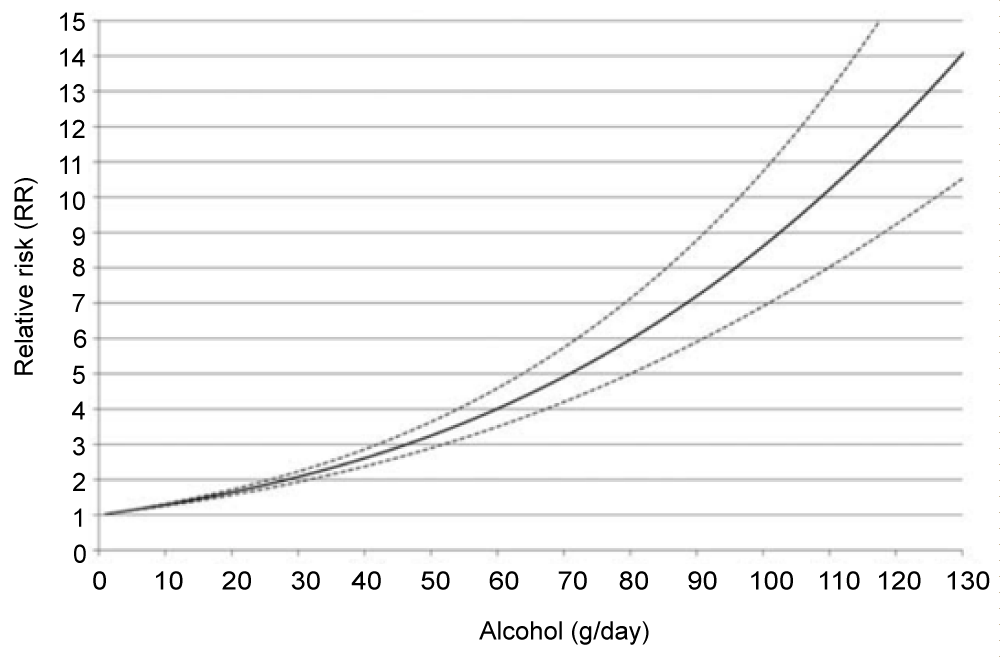
Figure 3: Relative risk function and the corresponding 95% CI, describing the best- fitting dose–response relationship between alcohol consumption and the risk of OPC. (Tramacere, et al. [90], Meta-analysis).
The above analyses suffer from many drawbacks, those studies included relating to heavy drinking were prone to heterogeneity and the use of random-effect models may account for only part of this heterogeneity, meaning the dose response analysis could be inaccurate. There may have also been significant residual confounding by other risk factors for OPC. Only one study accounted for Human-Papilloma Virus (HPV) [99] which is now a recognized risk factor for OPC [100], there may also be interaction between HPV and alcohol that further affects the risk profile [101].
Several other studies not included in the reviews above have found a positive association between alcohol consumption and OPC and oral mucosal lesions [102-108].
Whether or not alcohol cessation has an effect on OPC risk requires further investigation as it is difficult to assess without the influence of potential confounders such as smoking, studies with larger sample sizes are required [109]. Larger studies are also required to investigate the impact of alcohol consumption on OPC survival. A systematic review is currently ongoing to investigate the effect of alcohol cessation on oral dysplasia and head and neck cancer [110].
Alcoholism and pathological tooth wear (PTW): Alcoholism has also been implicated as a risk factor for PTW. Evidence and possible mechanisms are summarized in figure 4.
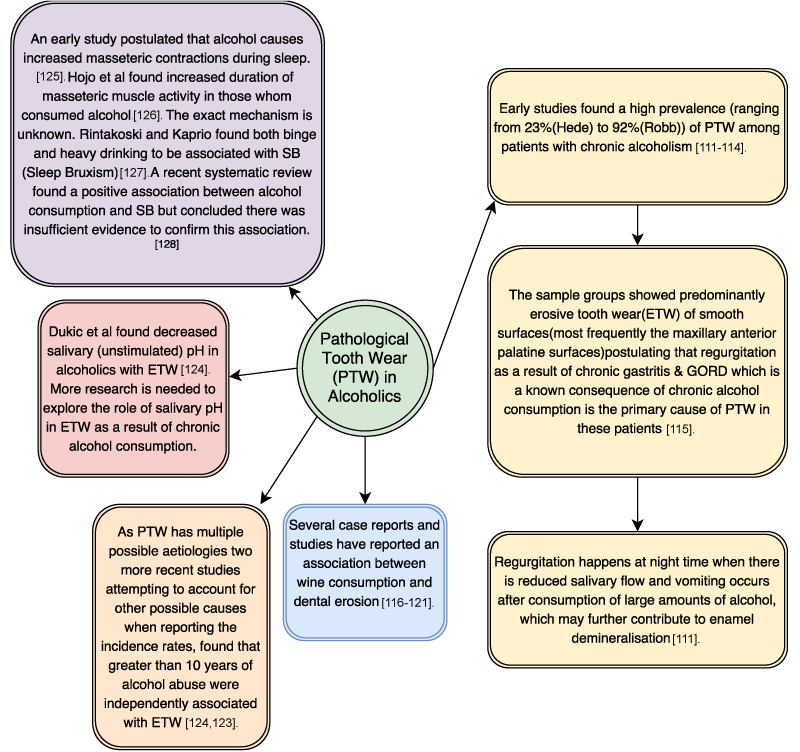
Figure 4: Evidence and possible mechanisms involved in Pathological Tooth Wear in Alcoholics. *GORD = Gastro-Oesophageal Reflux Disease, ETW = Erosive Tooth Wear.
Pharmacological management of the alcoholic dental patient
There are several recognized adverse interactions between alcohol and medications used in dentistry. In addition, chronic alcohol abuse alters the pharmacodynamics of certain pharmaceuticals [9]. These interactions and specific recommendations are summarized in table 3.
| Table 3: Adverse Interactions between Alcohol/Chronic alcoholism and medications used in dentistry. Adapted from Friedlander, et al. [9]. | ||||
| Medication | Adverse interaction with alcohol | Chronic Alcoholism | Dentists Actions | Evidence |
| Paracetamol | Hepatotoxicity may occur because of toxic acetaminophen metabolites and glutathione depletion [9]. | Increased risk of hepatotoxicity in alcoholic liver disease [9]. | Limit acetaminophen dosage to 2 grams per day. Counsel patient about the risk of long term alcohol use and acetaminophen toxicity [9]. | A systematic review [130] and meta-analysis [131] conclude that therapeutic dosing of paracetamol is not associated with liver damage in alcohol users. This conclusion is supported by several other studies [132,133]. However there have been cases of acute liver toxicity even at therapeutic doses [134] and been reports of acute interstitial nephritis in acetaminophen overdose in patients with acute/chronic alcohol toxicity [135,136]. |
| Nonsteroidal Anti-inflammatory drugs (NSAIDs) | Excessive bleeding may occur because of aspirin induced prolongation of bleeding time. Increased risk of Mucosal ulceration. Renal toxicity with binge drinking with ibuprofen [9]. | Possible increased risk of Gastrointestinal Bleeding (GIB). | Counsel patient to discontinue alcohol use during analgesic therapy [9]. | It is unclear from the literature whether chronic alcohol consumption affects risk estimation of GIB [137-139]. Many studies have found increased risk and incidence of GIB with greater amounts of alcohol consumption [140-142] this is further supported by the fact that alcohol has been shown to cause damage to the gastric epithelium [143,144] and alcohol induced gastric damage is enhanced by the presence of NSAIDs in dogs [145]. |
| Cephalosporins (some) | Cephalosporin and alcohol may interact to produce a cephalosporin induced disulfiram reaction(CIDLR) presenting as facial flushing, nausea or vomiting and in severe reactions angioedema, hypotension, shock, or death [9]. | Not explored in the literature. | Avoid use of cefoperazone and cefotetan [9]. | Evidence based mainly on case reports [146-149]. |
| Erythromycin | Decreased absorption of erythromycin, with consequent decrease in effectiveness possibly due to an increase in gastric emptying [9]. | Not explored in the literature. | Counsel patient to discontinue alcohol use during erythromycin therapy [9]. | Evidence based from in vivo studies [150-152]. |
| Metronidazole | A disulfiram effect may occur, permitting the accumulation of acetaldehyde, leading to facial flushing, headache, palpitation and nausea [9]. | Not explored in the literature. | Counsel patient to discontinue alcohol use during metronidazole therapy [9]. | Evidence based from case reports, animal and experimental studies [153-158]. |
| Tetracycline | Increased absorption and increased plasma concentration in healthy subjects after acute ingestion of ethanol [9]. | Diminished effectiveness in long term alcoholics because of induction of metabolizing enzymes. Preexisting liver disease such as alcoholic liver disease has been associated with increased risk of developing tetracycline induced hepatotoxicity [159]. | Counsel patient to discontinue alcohol use during tetracycline therapy [9]. | Evidence based from case reports and analytic studies [159,160]. |
| Ketoconazole | A disulfiram effect may occur, permitting the accumulation of acetaldehyde, leading to facial flushing, headache, palpitation and nausea [9]. | May increase risk of liver damage [9]. | Counsel patient to discontinue alcohol use during ketoconazole therapy [9]. | Only 1 case report found in the literature [161]. |
| Benzodiazepines | Fatal poisoning can occur with concomitant use of benzodiazepines and alcohol as well as increased sedative effects [162]. | Diminished effectiveness in long-term alcoholics because of cellular tolerance to CNS depression [9], increased induction of CYP2E1 enzyme [165], or both. | Initially decrease the usual dosage of medication and observe patient for CNS depression. Counsel patient to discontinue alcohol during treatment. | An extensive review [162] as well as case reports/animal and experimental studies confirm a toxicological interaction [163-167]. Few studies (case reports) evaluate the effect of chronic alcoholism on benzodiazepine administration and most report diminished effectiveness [168-171]. |
| Chloral Hydrate | Concurrent use may significantly increase CNS depressant effects[9]. | Not explored in the literature. | Initially decrease the usual dosage of medication and observe patient for CNS depression. Counsel patient to discontinue alcohol during treatment [9]. | Evidence based on early case reports [172-174]. |
| Opioids | Sedative effects are markedly increased. Increased respiratory depression [9]. | Not explored in the literature | Initially decrease the usual dosage of medication and observe patient for CNS depression. Counsel patient to discontinue alcohol during treatment [9]. | Evidence based on case reports, an in vivo and experimental human study [175-177]. |
| Warfarin | There is only one case report evaluating possible interaction between warfarin and ethanol suggesting alcohol consumption daily may decrease the effectiveness of warfarin reducing the International Normalised Ratio (INR) [178]. A recent study suggests that alcoholism is risk factor for major bleeding in patients on warfarin therapy [179]. | |||
| Other Beta lactams | There does not appear to be a clinical significant interaction between alcohol and other B-lactams but the rate of absorption appears to be increased [180]. | |||
Many of the pharmacotherapies used for alcohol dependence have oral side effects for example Naltrexone treatment has been associated with xerostomia, cold sores, headaches and sinusitis raising additional difficulties for these patients [181]. Patients using disulfiram should not use alcohol containing mouth rinses because of potentially adverse reactions [9].
Alcoholism and bleeding
Thrombocytopenia as a result of alcohol consumption is usually transient and platelet counts generally return to reference ranges within 4-8 weeks [182].
There is reduced synthesis of coagulation proteins in alcoholic liver disease. As a result, Prothrombin-time (PT) and Activated-Partial-Thromboplastin time (APTT) may be prolonged [183,184]. Hematological investigations are not required in alcoholics without a positive bleeding history. A Full Blood Count (FBC) and coagulation screening may be indicated in patients where there is a positive bleeding history prior to invasive dental/oral surgical procedures. If prolonged bleeding occurs it can be successfully managed using local measures, an emphasis should be placed on gathering an accurate bleeding history from the alcoholic patient. These guidelines are based on an audit completed in the UK, evidence-based guidelines may be required on the hematological management of the alcoholic dental patient [8,185,186].
Alcoholism and facial fractures/oral surgery
Alcohol intoxication has been associated with facial fractures [187-190]. These fractures tend to occur in young men as a result of Interpersonal-Violence (IPV) [191,192]. Alcohol related injuries are more likely to occur in binge drinkers rather than chronic alcohol dependents [193-196]. A review on the temporal distribution of these facial fractures is awaiting publication [197]. Research suggests that interventions in practice may have a role in preventing alcohol related facial injuries. Closed reduction of these fractures should be avoided in alcoholics due to the risk of vomiting and aspiration [198].
Poorer wound healing is seen in alcoholics because ethanol has been shown to decrease the mobility of and phagocytic capabilities of white blood cells, [199-201] poorer wound healing would confer a theoretical increased risk of infection and osteomyelitis following dental extractions [9]. More thorough research is most definitely warranted in this area.
Alcohol has been shown to cause a decrease in bone formation [202-204] and alcoholism is considered a risk factor for osteoporosis [205-207]. Patients prescribed bisphosphonates for the treatment of osteoporosis are at risk of developing Medication-Related-Osteonecrosis of the Jaw (MRONJ) after dental extractions [208], another possible difficulty that may be encountered in the alcoholic dental patient.
Alcoholism and access to dental care
Few studies have evaluated access to dental care in alcoholics, however a low level of access would be expected because of depression and psychiatric disorders coexisting in these patients. Interestingly, two studies found access to dental care which was comparable to national levels, this high level of access may be because participants from both studies were selected from alcohol treatment centres [6,40].
Dentists have a professional duty to enquire about alcohol intake. It is unlikely that an alcoholic will disclose their alcohol consumption because of the stigma associated with alcoholism. To overcome this, there have been various questionnaires that can be used by dental and medical professionals in practice that identify alcohol dependence and dentists should refer patients with suspected alcohol dependence to their general medical practitioner [209-211]. An Example of one of these questionnaires (AUDIT (Alcohol Use Disorder Identification Test)) that may be used in primary care can be seen in figure 5 [214,215]. In addition, it has been shown that brief interventions and motivational interviewing are effective in reducing alcohol consumption in primary care settings, [212,213] whether such interventions are feasible and practical in dental practice remains to be seen.
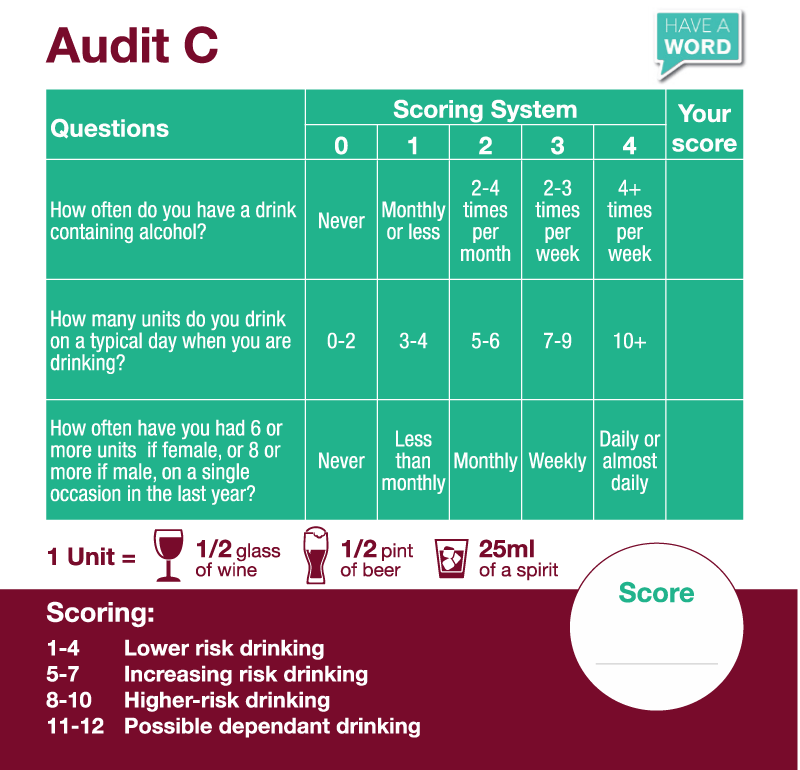
Figure 5: Alcohol Use Disorder Identification Test C (AUDIT) (World Health Organisation, Public Health England, Public Health Wales) [214,215].
During episodes of intoxication, an abuser may act inappropriately, frequently get into arguments and violent behavior may ensue, a dentist will have to refuse treatment in such situations. Dentists should appreciate that alcoholics are unreliable attenders as a result of the aberrant lifestyle many lead, mainly attending in acute pain. In addition, atrophy of several regions of the brain clinically correlate with deficits in judgement and decision making, in these situations the alcoholic dental patient is of questionable competence to consent for treatment [1,9].
There are many considerations to take into account when treating the alcoholic dental patient. These patients are at a greater risk of developing oral/dental diseases, namely PTW, periodontal disease and OPC. Poor compliance and limited access to dental care confounds issues, allowing conditions to deteriorate further and making management more challenging. Medical management of these patients is more difficult, as alterations in coagulation, drug metabolism, liver function and bone remodeling may be encountered as well as gastrointestinal and central nervous system disturbances. Dentists are professionally obligated to enquire about alcohol consumption and are well positioned to offer appropriate referrals to primary care physicians.
Larger scale epidemiological and interventional studies are needed to explore the effect of alcoholism on caries and sleep bruxism, as well as supportive experimental studies to explore the mechanisms involved.
To conclude, alcoholism among patients raises significant difficulties among dental patients, however, dentists who are familiar with the manifestations of the illness, as well as the challenges raised in dental practice can confidently offer these patients a full range of dental treatment.
- Schreiber A. Alcoholism. Oral Surg Oral Med Oral Pathol Oral Radiol Endod. 2001; 92: 127-131.PubMed: https://www.ncbi.nlm.nih.gov/pubmed/11505256
- World Health Organization (WHO). Global status report on alcohol and health 2014. Geneva. 2014.
- Priyanka K, Sudhir KM, Reddy VCS, Kumar RK, Srinivasulu G. Impact of Alcohol Dependency on Oral Health - A Cross-sectional Comparative Study. J Clin Diagn Res. 2017; 11: Zc43-zc46. PubMed: https://www.ncbi.nlm.nih.gov/pubmed/28764291
- Wang J, Lv, J, Wang, W, Jiang, X. Alcohol consumption and risk of periodontitis: a meta-analysis. J Clin Periodontol. 2016; 43: 572-583. PubMed: https://www.ncbi.nlm.nih.gov/pubmed/27029013
- Robb ND, Smith BG. Prevalence of pathological tooth wear in patients with chronic alcoholism. Br Dent J. 1990; 169: 367-369. PubMed: https://www.ncbi.nlm.nih.gov/pubmed/2275838
- Khocht A, Schleifer SJ, Janal MN, Keller S. Dental care and oral disease in alcohol-dependent persons. J Subst Abuse Treat. 2009; 37: 214-218. PubMed: https://www.ncbi.nlm.nih.gov/pubmed/19150205
- Turati F, Garavello W, Tramacere I, Pelucchi C, Galeone C, et al. A meta-analysis of alcohol drinking and oral and pharyngeal cancers: results from subgroup analyses. Alcohol. 2013; 48: 107-118. PubMed: https://www.ncbi.nlm.nih.gov/pubmed/22949102
- Quach S, Brooke AE, Clark A, Ellison SJ. Blood investigations prior to oral surgery for suspected alcohol-induced coagulopathy. Are they necessary?. Br Dent J. 2015; 219: 121-123. PubMed: https://www.ncbi.nlm.nih.gov/pubmed/26271868
- Friedlander AH, Marder SR, Pisegna JR, Yagiela JA. Alcohol abuse and dependence: psychopathology, medical management and dental implications. J Am Dent Assoc. 2003; 134: 731-740. PubMed: https://www.ncbi.nlm.nih.gov/pubmed/12839410
- Mandel L, Hamele-Bena D. Alcoholic parotid sialadenosis. J Am Dent Assoc. 1997; 128: 1411-1415. PubMed: https://www.ncbi.nlm.nih.gov/pubmed/9332142
- Mandel L, Vakkas J, Saqi A. Alcoholic (beer) sialosis. J Oral Maxillofac Surg. 2005; 63: 402-405. PubMed: https://www.ncbi.nlm.nih.gov/pubmed/15742296
- Kastin B, Mandel L. Alcoholic sialosis. N Y State Dent J. 2000; 66: 22-24. PubMed: https://www.ncbi.nlm.nih.gov/pubmed/11132299
- Wolfe SJ, Summerskill WH, Davidson CS. Parotid swelling alcoholism and cirrhosis. N Engl J Med. 1957; 256: 491-495. PubMed: https://www.ncbi.nlm.nih.gov/pubmed/13419028
- Mandel L, Baurmash H. Parotid enlargement due to alcoholism. J Am Dent Assoc. 1971; 82: 369-373. PubMed: https://www.ncbi.nlm.nih.gov/pubmed/5275700
- Durr HK, Bode JC, Gieseking R, Haase H, von Arnim I, et al. Changes in the exocrine function of the parotid gland and pancreas in patients with liver cirrhosis and chronic alcoholism. Verh Dtsch Ges Inn Med. 1975; 81: 1322-1324.PubMed: https://www.ncbi.nlm.nih.gov/pubmed/1229477
- Abelson DC, Mandel ID, Karmiol M. Salivary studies in alcoholic cirrhosis. Oral Surg Oral Med Oral Pathol. 1976; 41: 188-192. PubMed: https://www.ncbi.nlm.nih.gov/pubmed/1062747
- Borsanyi SJ. Chronic asymptomatic enlargement of the parotid glands. Ann Otol Rhinol Laryngol. 1962; 71: 857-867. PubMed: https://www.ncbi.nlm.nih.gov/pubmed/14014090
- Dutta SK, Dukehart M, Narang A, Latham PS. Functional and structural changes in parotid glands of alcoholic cirrhotic patients. Gastroenterology. 1989; 96: 510-518. PubMed: https://www.ncbi.nlm.nih.gov/pubmed/2910764
- Merlo C, Bohl L, Carda C, Gomez de Ferraris ME, Carranza M. Parotid sialosis: morphometrical analysis of the glandular parenchyme and stroma among diabetic and alcoholic patients. J Oral Pathol Med. 2010; 39: 10-15. PubMed: https://www.ncbi.nlm.nih.gov/pubmed/19622112
- Carda C, Carranza M, Arriaga A, Diaz A, Peydro A, et al. Structural differences between alcoholic and diabetic parotid sialosis. Med Oral Patol Oral Cir Bucal. 2005; 10: 309-314.PubMed: https://www.ncbi.nlm.nih.gov/pubmed/16056184
- Carda C, Gomez de Ferraris ME, Arriaga A, Carranza M, Peydro A. Alcoholic parotid sialosis: a structural and ultrastructural study. Med Oral. 2004; 9: 24-32. PubMed: https://www.ncbi.nlm.nih.gov/pubmed/14704614
- Bohl L, Merlo C, Carda C, Gomez de Ferraris ME, Carranza M. Morphometric analysis of the parotid gland affected by alcoholic sialosis. J Oral Pathol Med. 2008; 37: 499-503. PubMed: https://www.ncbi.nlm.nih.gov/pubmed/18298472
- Scott J, Burns J, Flower EA. Histological analysis of parotid and submandibular glands in chronic alcohol abuse: a necropsy study. J Clin Pathol. 1988a; 41: 837-840. PubMed: https://www.ncbi.nlm.nih.gov/pubmed/3170770
- Scott J, Woods K, Baxter P. Salivary flow rate, protein and electrolyte concentrations in chronic alcoholic patients. J Biol Buccale. 1988; 16: 215-218. PubMed: https://www.ncbi.nlm.nih.gov/pubmed/3243776
- Enberg N, Alho H, Loimaranta V, Lenander-Lumikari M. Saliva flow rate, amylase activity, and protein and electrolyte concentrations in saliva after acute alcohol consumption. Oral Surg Oral Med Oral Pathol Oral Radiol Endod. 2001; 92: 292-298. PubMed; https://www.ncbi.nlm.nih.gov/pubmed/11552146
- Winsor AL, Strongin EG. The effect of alcohol on the rate of parotid secretion. J Exp Psychol (Gen). 1933; 177: 589-597.
- Dutta SK, Parasher V, Smalls U. Evidence for marked suppression of parotid saliva secretion and altered composition following a single dose of ethanol ingestion in man (abstract). Gastroenterol. 1984; 86: 1065.
- Enberg N, Wolf J, Ainamo A, Alho H, Heinala P, et al. Dental diseases and loss of teeth in a group of Finnish alcoholics: a radiological study. Acta Odontol Scand. 2001b; 59: 341-347.PubMed: https://www.ncbi.nlm.nih.gov/pubmed/11831482
- Niquille M, Burnand B, Magnenat P, Paccaud F, Yersin, B. Dental disease among alcoholic individuals: a comparative study of hospitalized patients. J Gen Intern Med. 1993; 8: 470-475. PubMed: https://www.ncbi.nlm.nih.gov/pubmed/8410418
- Rooban T, Vidya K, Joshua E, Rao A, Ranganathan S, et al. Tooth decay in alcohol and tobacco abusers. J Oral Maxillofac Pathol. 2011; 15: 14-21. PubMed: https://www.ncbi.nlm.nih.gov/pubmed/21731272
- Novacek G, Plachetzky U, Potzi R, Lentner S, Slavicek R, et al. Dental and periodontal disease in patients with cirrhosis--role of etiology of liver disease. J Hepatol. 1995; 22: 576-582. PubMed: https://www.ncbi.nlm.nih.gov/pubmed/7650338
- Richards A, Rooney J, Prime S, Scully C. Primary biliary cirrhosis. Sole presentation with rampant dental caries. Oral Surg Oral Med Oral Pathol. 1994; 77: 16-18. PubMed: https://www.ncbi.nlm.nih.gov/pubmed/8108089
- Kantorski KZ, de Souza DM, Yujra VQ, Junqueira JC, Jorge AO, et al. Effect of an alcoholic diet on dental caries and on Streptococcus of the mutans group. Study in rats, Braz Oral Res. 2007; 21: 101-105. PubMed: https://www.ncbi.nlm.nih.gov/pubmed/17589643
- Kaplan G, Shapiro S. Comparison of DMF teeth scores between Caucasian and Negro male alcoholics. J Dent Res. 1972; 51: 876. PubMed: https://www.ncbi.nlm.nih.gov/pubmed/4402357
- Dukic W, Dobrijevic TT, Katunaric M, Lesic S. Caries prevalence in chronic alcoholics and the relationship to salivary flow rate and pH. Cent Eur J Public Health. 2013; 21: 43-47. PubMed: https://www.ncbi.nlm.nih.gov/pubmed/23741900
- OSullivan EM. Dental health of Irish alcohol/drug abuse treatment centre residents. Community Dent Health. 2012; 29: 263-267. PubMed: https://www.ncbi.nlm.nih.gov/pubmed/23488206
- Harris CK, Warnakulasuriya KA, Johnson NW, Gelbier S, Peters TJ. Oral health in alcohol misusers. Community Dent Health. 1996; 13: 199-203. PubMed: https://www.ncbi.nlm.nih.gov/pubmed/9018882
- Hornecker E, Muuss T, Ehrenreich H, Mausberg RF. A pilot study on the oral conditions of severely alcohol addicted persons. J Contemp Dent Pract. 2003; 4: 51-59. PubMed: https://www.ncbi.nlm.nih.gov/pubmed/12761589
- Dasanayake AP, Warnakulasuriya S, Harris CK, Cooper DJ, Peters TJ, et al. Tooth decay in alcohol abusers compared to alcohol and drug abusers. Int J Dent. 2010; 786503. PubMed: https://www.ncbi.nlm.nih.gov/pubmed/20379366
- Johnson D, Hearn A, Barker D. A pilot survey of dental health in a group of drug and alcohol abusers. Eur J Prosthodont Restor Dent. 2008; 16: 181-184. PubMed: https://www.ncbi.nlm.nih.gov/pubmed/19177730
- Gronbaek M, Heitmann BL. Validity of self-reported intakes of wine, beer and spirits in population studies. Eur J Clin Nutr. 1996; 50: 487-490. PubMed: https://www.ncbi.nlm.nih.gov/pubmed/8862487
- Daglia M, Papetti A, Grisoli P, Aceti C, Dacarro C, et al. Antibacterial activity of red and white wine against oral streptococci. J Agric Food Chem. 2007; 55: 5038-5042. PubMed: https://www.ncbi.nlm.nih.gov/pubmed/17547418
- Munoz-Gonzalez I, Thurnheer T, Bartolome B, Moreno-Arribas MV. Red wine and oenological extracts display antimicrobial effects in an oral bacteria biofilm model. J Agric Food Chem. 2014; 62: 4731-4737. PubMed: https://www.ncbi.nlm.nih.gov/pubmed/24773294
- Abu-Bakr NH, Han L, Okamoto A, Iwaku M. Effect of alcoholic and low-pH soft drinks on fluoride release from compomer. J Esthet Dent. 2000; 12: 97-104. PubMed: https://www.ncbi.nlm.nih.gov/pubmed/11326509
- Warnakulasuriya S, Harris C, Gelbier S, Keating J, Peters T. Fluoride content of alcoholic beverages. Clin Chim Acta. 2002; 320: 1-4. PubMed: https://www.ncbi.nlm.nih.gov/pubmed/11983193
- Larato DC. Oral tissue changes in the chronic alcoholic. J Periodontol. 1972; 43; 772-773. PubMed: https://www.ncbi.nlm.nih.gov/pubmed/4508995
- Amaral Cda S, Vettore MV, Leao A. The relationship of alcohol dependence and alcohol consumption with periodontitis: a systematic review. J Dent. 2009; 37: 643-651. PubMed: https://www.ncbi.nlm.nih.gov/pubmed/19576673
- Alsharief M, Kaye EK. Alcohol Consumption May Increase the Risk for Periodontal Disease in Some Adult Populations. J Evid Based Dent Pract. 2017; 17: 59-61. PubMed: https://www.ncbi.nlm.nih.gov/pubmed/28259319
- Yoshida Y, Hatanaka Y, Imaki M, Ogawa Y, Miyatani S, et al. Epidemiological study on improving the QOL and oral conditions of the aged--Part 2: Relationship between tooth loss and lifestyle factors for adults men. J Physiol Anthropol Appl Human Sci. 2001; 20: 369-373. PubMed: https://www.ncbi.nlm.nih.gov/pubmed/11840690
- Okamoto Y, Tsuboi S, Suzuki S, Nakagaki H, Ogura Y, et al. Effects of smoking and drinking habits on the incidence of periodontal disease and tooth loss among Japanese males: a 4-yr longitudinal study. J Periodontal Res. 2006; 41: 560-566. PubMed: https://www.ncbi.nlm.nih.gov/pubmed/17076782
- Kongstad J, Hvidtfeldt UA, Gronbaek M, Jontell M, Stoltze K, et al. Amount and type of alcohol and periodontitis in the Copenhagen City Heart Study. J Clin Periodontol. 2008; 35: 1032-1039. PubMed: https://www.ncbi.nlm.nih.gov/pubmed/19040579
- Khocht A, Janal M, Schleifer S, Keller S. Re: The influence of gingival margin recession on loss of clinical attachment in alcohol-dependent patients without medical disorders. J Periodontol. 2003; 74: 485-493.PubMed: https://www.ncbi.nlm.nih.gov/pubmed/12747453
- Tezal M, Grossi SG, Ho AW, Genco RJ. The effect of alcohol consumption on periodontal disease. J Periodontol. 2001; 72: 183-189. PubMed: https://www.ncbi.nlm.nih.gov/pubmed/11288791
- Lages EJ, Costa FO, Cortelli SC, Cortelli JR, Cota LO, et al. Alcohol Consumption and Periodontitis: Quantification of Periodontal Pathogens and Cytokines. J Periodontol. 2015; 86: 1058-1068. PubMed: https://www.ncbi.nlm.nih.gov/pubmed/26062839
- Irie K, Tomofuji T, Tamaki N, Sanbe T, Ekuni D, et al. Effects of ethanol consumption on periodontal inflammation in rats. J Dent Res. 2008; 87: 456- 460. PubMed: https://www.ncbi.nlm.nih.gov/pubmed/18434576
- Shimazaki Y, Saito T, Kiyohara Y, Kato I, Kubo M, et al. Relationship between drinking and periodontitis: the Hisayama Study. J Periodontol. 2005; 76:1534-1541. PubMed: https://www.ncbi.nlm.nih.gov/pubmed/16171444
- Dalago HR, Schuldt Filho G, Rodrigues MA, Renvert S, Bianchini MA. Risk indicators for Peri-implantitis. A cross-sectional study with 916 implants. Clin Oral Implants Res. 2017; 28: 144-150. PubMed: https://www.ncbi.nlm.nih.gov/pubmed/26754342
- Renvert S, Quirynen M. Risk indicators for peri-implantitis. A narrative review. Clin Oral Implants Res. 2015; 26: 15-44. PubMed: https://www.ncbi.nlm.nih.gov/pubmed/26385619
- de Deco CP, da Silva Marchini AM, Marchini L, da Rocha RF. Extended Periods of Alcohol Intake Negatively Affects Osseointegration in Rats. J Oral Implantol. 2015; 41: e44-49. PubMed: https://www.ncbi.nlm.nih.gov/pubmed/24471800
- Torricelli P, Fini M, Giavaresi G, Rimondini L, Tschon M, Chronic alcohol abuse and endosseous implants: linkage of in vitro osteoblast dysfunction to titanium osseointegration rate. Toxicology. 2008; 243: 138-144. PubMed: https://www.ncbi.nlm.nih.gov/pubmed/17997004
- Trevisiol CH, Turner RT, Pfaff JE, Hunter JC, Menagh PJ, et al. Impaired osteoinduction in a rat model for chronic alcohol abuse. Bone. 2007;41: 175-180 PubMed: https://www.ncbi.nlm.nih.gov/pubmed/17567549
- Koo S, Konig B, Jr, Mizusaki CI, Allegrini S, Jr, Yoshimoto M, et al. Effects of alcohol consumption on osseointegration of titanium implants in rabbits. Implant Dent. 2004; 13: 232-237. PubMed: https://www.ncbi.nlm.nih.gov/pubmed/15359159
- Lima CC, Silva TD, Santos L, Nakagaki WR, Loyola YC, et al. Effects of ethanol on the osteogenesis around porous hydroxyapatite implants Braz J Biol. 2011; 71: 115-119. PubMed: https://www.ncbi.nlm.nih.gov/pubmed/21437407
- Bombonato-Prado KF, Brentegani LG, Thomazini JA, Lachat JJ, Carvalho TL. Alcohol intake and osseointegration around implants: a histometric and scanning electron microscopy study. Implant Dent. 2004; 13: 238-244. PubMed: https://www.ncbi.nlm.nih.gov/pubmed/15359160
- International Agency for Research on Cancer Consumption of alcoholic beverages. 2012.
- Seitz HK, Stickel F. Molecular mechanisms of alcohol-mediated carcinogenesis. Nat Rev Cancer. 2007; 7: 599-612. PubMed: https://www.ncbi.nlm.nih.gov/pubmed/17646865
- Garro AJ, Espina N, Farinati F, Salvagnini M. The effects of chronic ethanol consumption on carcinogen metabolism and on O6-methylguanine transferase-mediated repair of alkylated DNA. Alcohol Clin Exp Res. 1986; 10: 73-77. PubMed: https://www.ncbi.nlm.nih.gov/pubmed/3544934
- Reidy J, McHugh E, Stassen LF. A review of the relationship between alcohol and oral cancer. Surgeon. 2011; 9: 278-283. PubMed: https://www.ncbi.nlm.nih.gov/pubmed/21843823
- Reidy JT, McHugh EE, Stassen LF. A review of the role of alcohol in the pathogenesis of oral cancer and the link between alcohol-containing mouthrinses and oral cancer. J Ir Dent Assoc. 2011; 57: 200-202. PubMed: https://www.ncbi.nlm.nih.gov/pubmed/21922995
- Ogden GR, Wight AJ. Aetiology of oral cancer: alcohol. Br J Oral Maxillofac Surg. 1998; 36: 247-251 PubMed: https://www.ncbi.nlm.nih.gov/pubmed/9762451
- Figuero Ruiz E, Carretero Pelaez MA, Cerero Lapiedra R, Esparza Gomez G, Moreno Lopez LA. Effects of the consumption of alcohol in the oral cavity: relationship with oral cancer. Med Oral. 2004; 9: 14-23.
- Squier CA. The permeability of oral mucosa. Crit Rev Oral Biol Med. 1991; 2: 13-32. PubMed: https://www.ncbi.nlm.nih.gov/pubmed/1912142
- Mascres C, Ming-Wen F, Joly JG. Morphologic changes of the esophageal mucosa in the rat after chronic alcohol ingestion. Exp Pathol. 1984; 25: 147-153. PubMed: https://www.ncbi.nlm.nih.gov/pubmed/6539238
- Valentine JA, Scott J, West CR, St Hill CA. A histological analysis of the early effects of alcohol and tobacco usage on human lingual epithelium. J Oral Pathol. 1985; 14: 654-665. PubMed: https://www.ncbi.nlm.nih.gov/pubmed/3930674
- Muller P, Hepke B, Meldau U, Raabe G. Tissue damage in the rabbit oral mucosa by acute and chronic direct toxic action of different alcohol concentrations. Exp Pathol. 1983; 24:171-181. PubMed: https://www.ncbi.nlm.nih.gov/pubmed/6685657
- Wang M, McIntee EJ, Cheng G, Shi Y, Villalta PW, et al. Identification of DNA adducts of acetaldehyde, Chem Res Toxicol, 2000; 13: 1149-1157. PubMed: https://www.ncbi.nlm.nih.gov/pubmed/11087437
- Wang M, Yu N, Chen L, Villalta PW, Hochalter JB, et al. Identification of an acetaldehyde adduct in human liver DNA and quantitation as N2-ethyldeoxyguanosine. Chem Res Toxicol. 2006; 19: 319-324. PubMed: https://www.ncbi.nlm.nih.gov/pubmed/16485909
- Theruvathu JA, Jaruga P, Nath RG, Dizdaroglu M, Brooks PJ. Polyamines stimulate the formation of mutagenic 1,N2-propanodeoxyguanosine adducts from acetaldehyde. Nucleic Acids Res. 2005; 33: 3513-3520. PubMed: https://www.ncbi.nlm.nih.gov/pubmed/15972793
- Timmons SR, Nwankwo JO, Domann FE. Acetaldehyde activates Jun/AP-1 expression and DNA binding activity in human oral keratinocytes. Oral Oncol. 2002; 38: 281-290. PubMed: https://www.ncbi.nlm.nih.gov/pubmed/11978551
- Homann N, Tillonen J, Meurman JH, Rintamaki H, Lindqvist C, et al. Increased salivary acetaldehyde levels in heavy drinkers and smokers: a microbiological approach to oral cavity cancer. Carcinogenesis. 2000; 21: 663-668. PubMed: https://www.ncbi.nlm.nih.gov/pubmed/10753201
- Homann N, Jousimies-Somer H, Jokelainen K, Heine R, Salaspuro M. High acetaldehyde levels in saliva after ethanol consumption: methodological aspects and pathogenetic implications. Carcinogenesis. 1997; 18: 1739-1743. PubMed: https://www.ncbi.nlm.nih.gov/pubmed/9328169
- Homann N, Tillonen J, Rintamaki H, Salaspuro M, Lindqvist C, et al. Poor dental status increases acetaldehyde production from ethanol in saliva: a possible link to increased oral cancer risk among heavy drinkers Oral Oncol. 2001; 37: 153-158. PubMed: https://www.ncbi.nlm.nih.gov/pubmed/11167142
- Poschl G, Seitz H. K. Alcohol and cancer. Alcohol Alcohol. 2004; 39: 155-165. PubMed: https://www.ncbi.nlm.nih.gov/pubmed/15082451
- Wight AJ, Ogden GR. Possible mechanisms by which alcohol may influence the development of oral cancer--a review. Oral Oncol. 1998; 34: 441-447. PubMed: https://www.ncbi.nlm.nih.gov/pubmed/9930353
- Elzay RP. Local effect of alcohol in combination with DMBA on hamster cheek pouch. J Dent Res. 1966; 45: 1788-1795. PubMed: https://www.ncbi.nlm.nih.gov/pubmed/5226547
- Lin YC, Ho IC, Lee TC. Ethanol and acetaldehyde potentiate the clastogenicity of ultraviolet light, methyl methanesulfonate, mitomycin C and bleomycin in Chinese hamster ovary cells. Mutat Res. 1989; 216: 93-99. PubMed: https://www.ncbi.nlm.nih.gov/pubmed/2467201
- Hsu TC, Furlong C, Spitz MR. Ethyl alcohol as a cocarcinogen with special reference to the aerodigestive tract: a cytogenetic study. Anticancer Res. 1991; 11: 1097-1101. PubMed: https://www.ncbi.nlm.nih.gov/pubmed/1716084
- Seitz HK, Matsuzaki S, Yokoyama A, Homann N, Vakevainen S, et al. Alcohol and cancer. Alcohol Clin Exp Res. 2001; 25: 137-143.
- Swann PF, Coe AM, Mace R. Ethanol and dimethylnitrosamine and diethylnitrosamine metabolism and disposition in the rat. Possible relevance to the influence of ethanol on human cancer incidence. Carcinogenesis. 1984; 5: 1337-1343. PubMed: https://www.ncbi.nlm.nih.gov/pubmed/6435899
- Tramacere I, Negri E, Bagnardi V, Garavello W, Rota M, et al. A meta-analysis of alcohol drinking and oral and pharyngeal cancers. Part 1: overall results and dose-risk relation. Oral Oncol. 2010; 46: 497-503. PubMed: https://www.ncbi.nlm.nih.gov/pubmed/20444641
- Turati F, Garavello W, Tramacere I, Bagnardi V, Rota M, et al. A meta-analysis of alcohol drinking and oral and pharyngeal cancers. Part 2: results by subsites. Oral Oncol. 2010; 46: 720-726. PubMed: https://www.ncbi.nlm.nih.gov/pubmed/20728401
- Bagnardi V, Rota M, Botteri E, Tramacere I, Islami F, et al Alcohol consumption and site-specific cancer risk: a comprehensive dose-response meta-analysis. Br J Cancer. 2015; 112: 580-593. PubMed: https://www.ncbi.nlm.nih.gov/pubmed/25422909
- Hayes RB, Bravo-Otero E, Kleinman DV, Brown LM, Fraumeni JF, et al. Tobacco and alcohol use and oral cancer in Puerto Rico. Cancer Causes Control. 1999; 10: 27-33. PubMed: https://www.ncbi.nlm.nih.gov/pubmed/10334639
- Castellsague X, Quintana MJ, Martinez MC, Nieto A, Sanchez MJ, et al. The role of type of tobacco and type of alcoholic beverage in oral carcinogenesis. Int J Cancer. 2004 108: 741-749. PbMed: https://www.ncbi.nlm.nih.gov/pubmed/14696101
- Garrote LF, Herrero R, Reyes RM, Vaccarella S, Anta JL, et al. Risk factors for cancer of the oral cavity and oro-pharynx in Cuba. Br J Cancer. 2001; 85: 46-54. PubMed: https://www.ncbi.nlm.nih.gov/pubmed/11437401
- Lee KW, Kuo WR, Tsai SM, Wu DC, Wang WM, et al. Different impact from betel quid, alcohol and cigarette: risk factors for pharyngeal and laryngeal cancer. Int J Cancer. 2005; 117: 831-836. PubMed: https://www.ncbi.nlm.nih.gov/pubmed/15957167
- Hashibe M, Brennan P, Chuang SC, Boccia S, Castellsague X, et al. Interaction between tobacco and alcohol use and the risk of head and neck cancer: pooled analysis in the International Head and Neck Cancer Epidemiology Consortium. Cancer Epidemiol Biomarkers Prev. 2009; 18: 541-550. PubMed: https://www.ncbi.nlm.nih.gov/pubmed/19190158
- Altieri A, Bosetti C, Gallus S, Franceschi S, Dal Maso L, et al. Wine, beer and spirits and risk of oral and pharyngeal cancer: a case-control study from Italy and Switzerland. Oral Oncol. 2004; 40: 904-909. PubMed: https://www.ncbi.nlm.nih.gov/pubmed/15380168
- Applebaum KM, Furniss CS, Zeka A, Posner MR, Smith JF, et al. Lack of association of alcohol and tobacco with HPV16-associated head and neck cancer. J Natl Cancer Inst. 2007; 99: 1801-1810. PubMed: https://www.ncbi.nlm.nih.gov/pubmed/18042931
- Furniss CS, McClean MD, Smith JF, Bryan J, Nelson HH, et al. Human papillomavirus 16 and head and neck squamous cell carcinoma. Int J Cancer. 2007; 120: 2386-2392. PubMed: https://www.ncbi.nlm.nih.gov/pubmed/17315185
- Smith EM, Rubenstein LM, Haugen TH, Hamsikova E, Turek LP. Tobacco and alcohol use increases the risk of both HPV-associated and HPV-independent head and neck cancers. Cancer Causes Control. 2010; 21: 1369-1378. PubMed: https://www.ncbi.nlm.nih.gov/pubmed/20401530
- Hindle I, Downer MC, Moles DR, Speight PM. Is alcohol responsible for more intra-oral cancer? . Oral Oncol. 2000; 36: 328-333. PubMed: https://www.ncbi.nlm.nih.gov/pubmed/10899670
- Chandran R, Lalloo R, Myburgh NG, Chandran TM. Scientific. Risk of intraoral cancer associated with tobacco and alcohol--a case-control study. Sadj. 2005; 60: 326-328. PubMed: https://www.ncbi.nlm.nih.gov/pubmed/16255413
- OSullivan EM. Prevalence of oral mucosal abnormalities in addiction treatment centre residents in Southern Ireland. Oral Oncol. 2011; 47: 395-399. PubMed: https://www.ncbi.nlm.nih.gov/pubmed/21441065
- Saraswathi TR, Ranganathan K, Shanmugam S, Sowmya R, Narasimhan PD, et al. Prevalence of oral lesions in relation to habits: Cross-sectional study in South India. Indian J Dent Res. 2006; 17: 121-125. PubMed: https://www.ncbi.nlm.nih.gov/pubmed/17176828
- Campisi G, Margiotta V. Oral mucosal lesions and risk habits among men in an Italian study population. J Oral Pathol Med. 2001; 30: 22-28. PubMed: https://www.ncbi.nlm.nih.gov/pubmed/11140896
- Rooban T, Rao A, Joshua E, Ranganathan K. The prevalence of oral mucosal lesions in alcohol misusers in Chennai, south India. Indian J Dent Res. 2009; 20: 41-46. PubMed: https://www.ncbi.nlm.nih.gov/pubmed/19336859
- Goldstein BY, Chang SC, Hashibe M, La Vecchia C, Zhang ZF. Alcohol consumption and cancers of the oral cavity and pharynx from 1988 to 2009: an update. Eur J Cancer Prev. 2010; 19: 431-465. PubMed: https://www.ncbi.nlm.nih.gov/pubmed/20679896
- Kawakita D, Matsuo K. Alcohol and head and neck cancer. Cancer Metastasis Rev. 2017; 36: 425-434. PubMed: https://www.ncbi.nlm.nih.gov/pubmed/28815324
- Shingler E, Robles LA, Perry R, Penfold C, Ness A, et al. Tobacco and alcohol cessation or reduction interventions in people with oral dysplasia and head and neck cancer: systematic review protocol. Syst Rev. 2017; 6: 161. PubMed: https://www.ncbi.nlm.nih.gov/pubmed/28793926
- Smith BG, Robb ND. Dental erosion in patients with chronic alcoholism. J Dent. 1989; 17: 219-221. PubMed: https://www.ncbi.nlm.nih.gov/pubmed/2621270
- Robb ND, Smith BG. Prevalence of pathological tooth wear in patients with chronic alcoholism. Br Dent J. 1990; 169: 367-369. PubMed: https://www.ncbi.nlm.nih.gov/pubmed/2275838
- Hede B. Determinants of oral health in a group of Danish alcoholics. Eur J Oral Sci. 1996; 104: 403-408. PubMed: https://www.ncbi.nlm.nih.gov/pubmed/8930590
- Simmons MS, Thompson D. C. Dental erosion secondary to ethanol-induced emesis. Oral Surg Oral Med Oral Pathol. 1987; 64: 731-733. PubMed: https://www.ncbi.nlm.nih.gov/pubmed/3480490
- Al Talalwah N, Woodward S. Gastro-oesophageal reflux. Part 1: smoking and alcohol reduction. Br J Nurs. 2013; 22: 140-142, 144-146. PubMed: https://www.ncbi.nlm.nih.gov/pubmed/23411821
- Mandel L. Dental erosion due to wine consumption. J Am Dent Assoc. 2005; 136: 71-75. PubMed: https://www.ncbi.nlm.nih.gov/pubmed/15693499
- Wiktorsson AM, Zimmerman M, Angmar-Mansson B. Erosive tooth wear: prevalence and severity in Swedish winetasters. Eur J Oral Sci. 1997; 105: 544-550. PubMed: https://www.ncbi.nlm.nih.gov/pubmed/9469603
- Gray A, Ferguson MM, Wall JG. Wine tasting and dental erosion. Case report. Aust Dent J. 1998; 43: 32-34. PubMed: https://www.ncbi.nlm.nih.gov/pubmed/9583223
- Ferguson MM, Dunbar RJ, Smith JA, Wall JG. Enamel erosion related to winemaking. Occup Med (Lond). 1996; 46: 159-162. PubMed: https://www.ncbi.nlm.nih.gov/pubmed/8776255
- Chaudhry SI, Harris JL, Challacombe SJ. Dental erosion in a wine merchant: an occupational hazard? Br Dent J. 1997; 182: 226-228. PubMed: https://www.ncbi.nlm.nih.gov/pubmed/9115841
- Meurman JH, Vesterinen M. Wine, alcohol, and oral health, with special emphasis on dental erosion. Quintessence Int. 2000; 31: 729-733. Pubed: https://www.ncbi.nlm.nih.gov/pubmed/11204000
- Teixeira L, Manso MC, Manarte-Monteiro P. Erosive tooth wear status of institutionalized alcoholic patients under rehabilitation therapy in the north of Portugal. Clin Oral Investig. 2017; 21: 809-819. PubMed: https://www.ncbi.nlm.nih.gov/pubmed/27121798
- Manarte P, Manso MC, Souza D, Frias-Bulhosa J, Gago S. Dental erosion in alcoholic patients under addiction rehabilitation therapy. Med Oral Patol Oral Cir Bucal. 2009; 14: e376-383. PubMed: https://www.ncbi.nlm.nih.gov/pubmed/19300355
- Dukic W, Dobrijevic TT, Katunaric M, Milardovic S, Segovic S. Erosive lesions in patients with alcoholism. J Am Dent Assoc. 2010; 141: 1452-1458. PubMed: https://www.ncbi.nlm.nih.gov/pubmed/21119129
- Friedlander AH, Mills MJ, Gorelick DA. Alcoholism and dental management. Oral Surg Oral Med Oral Pathol. 1987; 63: 42-46. PubMed: https://www.ncbi.nlm.nih.gov/pubmed/2949189
- Hojo A, Haketa T, Baba K, Igarashi Y. Association between the amount of alcohol intake and masseter muscle activity levels recorded during sleep in healthy young women. Int J Prosthodont. 2007; 20: 251-255. PubMed: https://www.ncbi.nlm.nih.gov/pubmed/17580455
- Rintakoski K, Kaprio J. Legal psychoactive substances as risk factors for sleep-related bruxism: a nationwide Finnish Twin Cohort study. Alcohol Alcohol. 2013; 48: 487-494. PubMed: https://www.ncbi.nlm.nih.gov/pubmed/23504639
- Bertazzo-Silveira E, Kruger CM, Porto De Toledo I, Porporatti AL, Dick B, et al. Association between sleep bruxism and alcohol, caffeine, tobacco, and drug abuse: A systematic review J Am Dent Assoc. 2016; 147: 859-866.e4. PubMed: https://www.ncbi.nlm.nih.gov/pubmed/27522154
- Douglass CW, Valachovic RW, Wijesinha A, Chauncey HH, Kapur KK, et al. Clinical efficacy of dental radiography in the detection of dental caries and periodontal diseases. Oral Surg Oral Med Oral Pathol. 1986; 62: 330-339. PubMed: https://www.ncbi.nlm.nih.gov/pubmed/3462638
- Dart RC, Kuffner EK, Rumack BH. Treatment of pain or fever with paracetamol (acetaminophen) in the alcoholic patient: a systematic review. Am J Ther. 2000; 7: 123-134. PubMed: https://www.ncbi.nlm.nih.gov/pubmed/11319580
- Rumack B, Heard K, Green J, Albert D, Bucher-Bartelson B, et al. Effect of therapeutic doses of acetaminophen (up to 4 g/day) on serum alanine aminotransferase levels in subjects consuming ethanol: systematic review and meta-analysis of randomized controlled trials. Pharmacotherapy. 2012; 32: 784-791. PubMed: https://www.ncbi.nlm.nih.gov/pubmed/22851428
- Dart RC. The use and effect of analgesics in patients who regularly drink alcohol. Am J Manag Care. 2001; 7: S597-601. PubMed: https://www.ncbi.nlm.nih.gov/pubmed/11776482
- Gomez-Moreno G, Guardia J, Cutando A. Interaction of paracetamol in chronic alcoholic patients. Importance for odontologists. Med Oral Patol Oral Cir Bucal. 2008; 13: E235-238. PubMed: https://www.ncbi.nlm.nih.gov/pubmed/18379447
- Manchanda A, Cameron C, Robinson G. Beware of paracetamol use in alcohol abusers: a potential cause of acute liver injury. N Z Med J. 2013; 126: 80-84. PubMed: https://www.ncbi.nlm.nih.gov/pubmed/24157994
- Fruchter LL, Alexopoulou I, Lau KK. Acute interstitial nephritis with acetaminophen and alcohol intoxication. Ital J Pediatr. 2011; 37: 17. PubMed: https://www.ncbi.nlm.nih.gov/pubmed/21496243
- Szp6e B, Trinn C, Toth T, Brasch H, Nagy J. Paracetamol-induced tubulointerstitial nephritis in a chronic alcoholic patient. Orv Hetil. 1998; 139: 2385-2387. PubMed: https://www.ncbi.nlm.nih.gov/pubmed/9796356
- Derry S, Loke YK. Risk of gastrointestinal haemorrhage with long term use of aspirin: meta-analysis. Bmj. 2000; 321: 1183-1187. PubMed: https://www.ncbi.nlm.nih.gov/pubmed/11073508
- Huang ES, Strate LL, Ho WW, Lee SS, Chan AT. A prospective study of aspirin use and the risk of gastrointestinal bleeding in men. PLoS One. 2010; 5: e15721. PubMed: https://www.ncbi.nlm.nih.gov/pubmed/21209949
- Huang ES, Strate LL, Ho WW, Lee SS, Chan AT. Long-term use of aspirin and the risk of gastrointestinal bleeding. Am J Med. 2011; 124: 426-433. PubMed: https://www.ncbi.nlm.nih.gov/pubmed/21531232
- Kaufman DW, Kelly JP, Wiholm BE, Laszlo A, Sheehan JE, et al. The risk of acute major upper gastrointestinal bleeding among users of aspirin and ibuprofen at various levels of alcohol consumption. Am J Gastroenterol. 1999; 94: 3189-3196. PubMed: https://www.ncbi.nlm.nih.gov/pubmed/10566713
- Goulston K, Cooke AR. Alcohol, aspirin, and gastrointestinal bleeding. Br Med J. 1968; 4: 664-665. PubMed: https://www.ncbi.nlm.nih.gov/pubmed/5303551
- Strate LL, Singh P, Boylan MR, Piawah S, Cao Y, et al. A Prospective Study of Alcohol Consumption and Smoking and the Risk of Major Gastrointestinal Bleeding in Men. PLoS One. 2016; 11: e0165278. PubMed: https://www.ncbi.nlm.nih.gov/pubmed/27824864
- Chen SH, Liang YC, Chao JC, Tsai LH, Chang CC, et al. Protective effects of Ginkgo biloba extract on the ethanol-induced gastric ulcer in rats. World J Gastroenterol. 2005; 11: 3746-3750. PubMed: https://www.ncbi.nlm.nih.gov/pubmed/15968732
- Tarnawski A, Hollander D, Stachura J, Klimczyk B, Mach T, et al. Alcohol injury to the normal human gastric mucosa: endoscopic, histologic and functional assessment. Clin Invest Med. 1987; 10: 259-263. PubMed: https://www.ncbi.nlm.nih.gov/pubmed/3621711
- Davenport HW. Gastric mucosal hemorrhage in dogs. Effects of acid, aspirin and alcohol. Gastroenterology. 1969; 56: 439-449. PubMed: https://www.ncbi.nlm.nih.gov/pubmed/5304676
- Uri JV, Parks DB. Disulfiram-like reaction to certain cephalosporins. Ther Drug Monit. 1983; 5: 219-224. PubMed: https://www.ncbi.nlm.nih.gov/pubmed/6224316
- Ren S, Cao Y, Zhang X, Jiao S, Qian S, et al. Cephalosporin induced disulfiram-like reaction: a retrospective review of 78 cases. Int Surg. 2014; 99: 142-146. PubMed: https://www.ncbi.nlm.nih.gov/pubmed/24670024
- Kannangara DW, Gallagher K, Lefrock JL. Disulfiram-like reactions with newer cephalosporins: cefmenoxime. Am J Med Sci. 1984; 287: 45-47. PubMed: https://www.ncbi.nlm.nih.gov/pubmed/6324592
- Portier H, Chalopin JM, Freysz M, Tanter Y. Interaction between cephalosporins and alcohol. England. 1980; 8188: 263.
- Edelbroek MA, Horowitz M, Wishart JM, Akkermans LM. Effects of erythromycin on gastric emptying, alcohol absorption and small intestinal transit in normal subjects. J Nucl Med. 1993; 34: 582-588. PubMed: https://www.ncbi.nlm.nih.gov/pubmed/8455074
- Morasso MI, Chavez J, Gai MN, Arancibia A. Influence of alcohol consumption on erythromycin ethylsuccinate kinetics. Int J Clin Pharmacol Ther Toxicol. 1990; 28: 426-429. PubMed: https://www.ncbi.nlm.nih.gov/pubmed/2258252
- Weber FH, Jr, Richards RD, McCallum RW. Erythromycin: a motilin agonist and gastrointestinal prokinetic agent. Am J Gastroenterol. 1993; 88: 485-490. PubMed: https://www.ncbi.nlm.nih.gov/pubmed/8470625
- Suh JJ, Pettinati HM, Kampman KM, OBrien CP. The status of disulfiram: a half of a century later. J Clin Psychopharmacol. 2006; 26: 290-302. PubMed: https://www.ncbi.nlm.nih.gov/pubmed/16702894
- Fjeld H, Raknes G. Is combining metronidazole and alcohol really hazardous?. Tidsskr Nor Laegeforen. 2014; 134: 1661-1663. PubMed: https://www.ncbi.nlm.nih.gov/pubmed/25223673
- Edwards JA, Price J. Metronidazole and atypical human alcohol dehydrogenase. Biochem Pharmacol. 1967; 16: 2026-2027. PubMed: https://www.ncbi.nlm.nih.gov/pubmed/6065967
- Tillonen J, Vakevainen S, Salaspuro V, Zhang Y, Rautio M, et al. Metronidazole increases intracolonic but not peripheral blood acetaldehyde in chronic ethanol-treated rats. Alcohol Clin Exp Res. 2000; 24: 570-575. PubMed: https://www.ncbi.nlm.nih.gov/pubmed/10798595
- Visapaa JP, Tillonen JS, Kaihovaara PS, Salaspuro MP. Lack of disulfiram-like reaction with metronidazole and ethanol. Ann Pharmacother. 2002; 36: 971-974. PubMed: https://www.ncbi.nlm.nih.gov/pubmed/12022894
- Williams CS Woodcock KR. Do ethanol and metronidazole interact to produce a disulfiram-like reaction? Ann Pharmacother, 2000; 34: 255-257. PubMed: https://www.ncbi.nlm.nih.gov/pubmed/10676835
- Glenn C, Feldman SR. Letter: Tetracycline-induced hepatotoxicity. Dermatol Online J. 2011; 17: 14. PubMed: https://www.ncbi.nlm.nih.gov/pubmed/22233750
- Seitz C, Garcia P, Arancibia A. Influence of ethanol ingestion on tetracycline kinetics. Int J Clin Pharmacol Ther. 1995; 33: 462-464. PubMed: https://www.ncbi.nlm.nih.gov/pubmed/8556227
- Magnasco AJ, Magnasco LD. Interaction of ketoconazole and ethanol. Clin Pharm. 1986; 5: 522-523. PubMed: https://www.ncbi.nlm.nih.gov/pubmed/2941211
- Tanaka E. Toxicological interactions between alcohol and benzodiazepines. J Toxicol Clin Toxicol. 2002; 40: 69-75. PubMed: https://www.ncbi.nlm.nih.gov/pubmed/11990206
- Linnoila MI. Benzodiazepines and alcohol. J Psychiatr Res. 1990; 24: 121-127. PubMed: https://www.ncbi.nlm.nih.gov/pubmed/1980691
- Klein S, Bankstahl M, Gramer M, Hausknecht M, Loscher W. Low doses of ethanol markedly potentiate the anti-seizure effect of diazepam in a mouse model of difficult-to-treat focal seizures. Epilepsy Res. 2014; 108: 1719-1727. PubMed: https://www.ncbi.nlm.nih.gov/pubmed/25458535
- Hollister LE. Interactions between alcohol and benzodiazepines. Recent Dev Alcohol. 1990; 8: 233-239. PubMed: https://www.ncbi.nlm.nih.gov/pubmed/1970665
- Eves FF, Lader MH. The effects of alcohol on psychological functions in normal volunteers after 8 days treatment with pipequaline (PK 8165), diazepam or placebo. Eur J Clin Pharmacol. 1989; 36: 47-52. PubMed: https://www.ncbi.nlm.nih.gov/pubmed/2917587
- Seppala T, Aranko K, Mattila MJ, Shrotriya RC. Effects of alcohol on buspirone and lorazepam actions. Clin Pharmacol Ther. 1982; 32: 201-207. PubMed: https://www.ncbi.nlm.nih.gov/pubmed/6124334
- Sellman R, Kanto J, Raijola E, Pekkarinen A. Human and animal study on elimination from plasma and metabolism of diazepam after chronic alcohol intake. Acta Pharmacol Toxicol (Copenh). 1975; 36: 33-38. PubMed: https://www.ncbi.nlm.nih.gov/pubmed/1173721
- Sellman R, Pekkarinen A, Kangas L, Raijola E. Reduced concentrations of plasma diazepam in chronic alcoholic patients following an oral administration of diazepam. Acta Pharmacol Toxicol (Copenh). 1975; 36: 25-32. PubMed: https://www.ncbi.nlm.nih.gov/pubmed/1173720
- Pond SM, Phillips M, Benowitz NL, Galinsky RE, Tong TG, et al. Diazepam kinetics in acute alcohol withdrawal. Clin Pharmacol Ther. 1979; 25: 832-836. PubMed: https://www.ncbi.nlm.nih.gov/pubmed/445950
- Perry PJ, Wilding DC, Fowler RC, Hepler CD, Caputo JF. Absorption of oral intramuscular chlordiazepoxide by alcoholics. Clin Pharmacol Ther. 1978; 23: 535-541. PubMed: https://www.ncbi.nlm.nih.gov/pubmed/639427
- Sellers EM, Lang M, Koch-Weser J, LeBlanc E, Kalant H. Interaction of chloral hydrate and ethanol in man. I. Metabolism. Clin Pharmacol Ther. 1972; 13: 37-49. PubMed: https://www.ncbi.nlm.nih.gov/pubmed/4550322
- Sellers EM, Lang M, Koch-Weser J, LeBlanc E, Kalant H. Interaction of chloral hydrate and ethanol in man. I. Metabolism. Clin Pharmacol Ther, 1972; 13: 37-49. PubMed: https://www.ncbi.nlm.nih.gov/pubmed/4550322
- Friedman PJ, Cooper JR. The role of alcohol dehydrogenase in the metabolism of chloral hydrate. J Pharmacol Exp Ther. 1960; 129: 373-376. PubMed:L https://www.ncbi.nlm.nih.gov/pubmed/13825142
- Gudin JA, Mogali S, Jones JD, Comer SD. Risks, management, and monitoring of combination opioid. benzodiazepines. and/or alcohol use, Postgrad Med, 2013; 125: 115-130. PubMed: https://www.ncbi.nlm.nih.gov/pubmed/23933900
- Johnson F, Wagner G, Sun S, Stauffer J. Effect of concomitant ingestion of alcohol on the in vivo pharmacokinetics of KADIAN (morphine sulfate extended-release) capsules. J Pain. 2008b; 9: 330-336. PubMed: https://www.ncbi.nlm.nih.gov/pubmed/18201934
- Rush CR. Pretreatment with hydromorphone, a mu-opioid agonist, does not alter the acute behavioral and physiological effects of ethanol in humans. Alcohol Clin Exp Res. 2001; 25: 9-17. PubMed: https://www.ncbi.nlm.nih.gov/pubmed/11198720
- Havrda DE, Mai T, Chonlahan J. Enhanced antithrombotic effect of warfarin associated with low-dose alcohol consumption. Pharmacotherapy. 2005; 25: 303-307. PubMed: https://www.ncbi.nlm.nih.gov/pubmed/15767245
- Roth JA, Bradley K, Thummel KE, Veenstra D. L, Boudreau D. Alcohol misuse, genetics, and major bleeding among warfarin therapy patients in a community setting. Pharmacoepidemiol Drug Saf. 2015; 24: 619-627. PubMed: https://www.ncbi.nlm.nih.gov/pubmed/25858232
- Chan LN, Anderson GD. Pharmacokinetic and pharmacodynamic drug interactions with ethanol (alcohol). Clin Pharmacokinet. 2014; 53: 1115-1136. PubMed: https://www.ncbi.nlm.nih.gov/pubmed/25267448
- Kranzler HR, Modesto-Lowe V, Van Kirk J. Naltrexone vs. nefazodone for treatment of alcohol dependence. A placebo-controlled trial. Neuropsychopharmacology. 2000; 22: 493-503. PubMed: https://www.ncbi.nlm.nih.gov/pubmed/10731624
- Ballard HS. The hematological complications of alcoholism. Alcohol Health Res World. 1997; 21: 42-52. PubMed: https://www.ncbi.nlm.nih.gov/pubmed/15706762
- McGarry GW, Gatehouse S, Vernham G. Idiopathic epistaxis, haemostasis and alcohol. Clin Otolaryngol Allied Sci. 1995; 20: 174-177. PubMed: https://www.ncbi.nlm.nih.gov/pubmed/7634528
- Rubin R, Rand ML. Alcohol and platelet function. Alcohol Clin Exp Res. 1994; 18: 105-110. PubMed: https://www.ncbi.nlm.nih.gov/pubmed/8198204
- Scottish Intercollegiate Guidelines network (SIGN) The management of harmful drinking and alcohol dependence in primary care. SIGN 2003; 74.
- National Institute for Health and Care Excellence (NICE) Alcohol dependence and harmful alcohol use, London. 20ll.
- Goulart DR, Durante L, de Moraes M, Asprino L. Characteristics of Maxillofacial Trauma Among Alcohol and Drug Users. J Craniofac Surg. 2015; 26: e783-786. PubMed: https://www.ncbi.nlm.nih.gov/pubmed/26595006
- Serena-Gomez E, Passeri LA. Complications of mandible fractures related to substance abuse. J Oral Maxillofac Surg. 2008; 66: 2028-2034. PubMed: https://www.ncbi.nlm.nih.gov/pubmed/18848098
- Soares-Carneiro SC, Vasconcelos BC, Matos da-Silva GS, de-Barros-Caldas LC, Porto GG, et al. Alcohol abusive use increases facial trauma?. Med Oral Patol Oral Cir Bucal. 2016; 21: e547-553. PubMed: https://www.ncbi.nlm.nih.gov/pubmed/27475685
- McHugh EE, Al-Awadhi E, Stassen LF. The role of the health services in the prevention of alcohol-related facial injury. Surgeon. 2009; 7: 307-315. PubMed: https://www.ncbi.nlm.nih.gov/pubmed/19848065
- Lee KH, Qiu M. Characteristics of Alcohol-Related Facial Fractures. J Oral Maxillofac Surg. 2017; 75: 786.e1-786.e7. PubMed: https://www.ncbi.nlm.nih.gov/pubmed/28061357
- Lee K. Trend of alcohol involvement in maxillofacial trauma. Oral Surg Oral Med Oral Pathol Oral Radiol Endod. 2009; 107: e9-13. PubMed: https://www.ncbi.nlm.nih.gov/pubmed/19201626
- Dinh-Zarr T, Goss C, Heitman E, Roberts I, DiGuiseppi C. Interventions for preventing injuries in problem drinkers. Cochrane Database Syst Rev. 2004; 3: Cd001857. PubMed: https://www.ncbi.nlm.nih.gov/pubmed/15266456
- McLeod R, Stockwell T, Stevens M, Phillips M. The relationship between alcohol consumption patterns and injury. Addiction. 1999; 94: 1719-1734. PubMed: https://www.ncbi.nlm.nih.gov/pubmed/10892010
- Warburton AL, Shepherd JP. Alcohol-related violence and the role of oral and maxillofacial surgeons in multi-agency prevention. Int J Oral Maxillofac Surg. 2002; 31: 657-663. PubMed: https://www.ncbi.nlm.nih.gov/pubmed/12521325
- Shepherd JP, Robinson L, Levers BG. Roots of urban violence. Injury. 1990; 21: 139-141. PubMed: https://www.ncbi.nlm.nih.gov/pubmed/2401543
- Lee KH, Qiu M, Sun J. Temporal distribution of alcohol related facial fractures. Oral Surg Oral Med Oral Pathol Oral Radiol. 2017; 124: 450-455. PubMed: https://www.ncbi.nlm.nih.gov/pubmed/29032947
- Iizuka T, Lindqvist C. Rigid internal fixation of mandibular fractures. An analysis of 270 fractures treated using the AO/ASIF method. Int J Oral Maxillofac Surg. 1992; 21: 65-69. PubMed: https://www.ncbi.nlm.nih.gov/pubmed/1602161
- Guo S, Dipietro LA. Factors affecting wound healing. J Dent Res. 2010 89: 219-229. PubMed: https://www.ncbi.nlm.nih.gov/pubmed/20139336
- Radek KA, Kovacs EJ, Gallo RL, DiPietro LA. Acute ethanol exposure disrupts VEGF receptor cell signaling in endothelial cells. Am J Physiol Heart Circ Physiol. 2008; 295: H174-184. PubMed: https://www.ncbi.nlm.nih.gov/pubmed/18469146
- Fitzgerald DJ, Radek KA, Chaar M, Faunce DE, DiPietro LA, et al. Effects of acute ethanol exposure on the early inflammatory response after excisional injury. Alcohol Clin Exp Res. 2007; 31: 317-323. PubMed: https://www.ncbi.nlm.nih.gov/pubmed/17250625
- Maurel DB, Boisseau N, Benhamou CL, Jaffre C. Alcohol and bone: review of dose effects and mechanisms. Osteoporos Int. 2012; 23: 1-16. PubMed: https://www.ncbi.nlm.nih.gov/pubmed/21927919
- Mikosch P. Alcohol and bone. Wien Med Wochenschr. 2014; 164: 15-24. PubMed: https://www.ncbi.nlm.nih.gov/pubmed/24477631
- Moniz C. Alcohol and bone. Br Med Bull. 1994; 50: 67-75. PubMed: https://www.ncbi.nlm.nih.gov/pubmed/8149201
- Abukhadir SS, Mohamed N. Pathogenesis of alcohol-induced osteoporosis and its treatment: a review. Curr Drug Targets. 2013; 14: 1601-1610. PubMed: https://www.ncbi.nlm.nih.gov/pubmed/24138635
- Berg KM, Kunins HV, Jackson JL, Nahvi S, Chaudhry A, et al. Association between alcohol consumption and both osteoporotic fracture and bone density. Am J Med. 2008; 121: 406-418. PubMed: https://www.ncbi.nlm.nih.gov/pubmed/18456037
- Chakkalakal DA. Alcohol-induced bone loss and deficient bone repair. Alcohol Clin Exp Res. 2005; 29: 2077-2090. PubMed: https://www.ncbi.nlm.nih.gov/pubmed/16385177
- Ruggiero SL, Dodson TB, Fantasia J, Goodday R, Aghaloo T, et al. American Association of Oral and Maxillofacial Surgeons position paper on medication-related osteonecrosis of the jaw--2014 update. J Oral Maxillofac Surg. 2014; 72: 1938-1956. PubMed: https://www.ncbi.nlm.nih.gov/pubmed/25234529
- Shepherd S, Ogden G. Alcohol and the dental team: relevance, risk, role and responsibility. Dental Update. 2017; 44: 495-501.
- Isaacson JH, Schorling JB. Screening for alcohol problems in primary care. Med Clin North Am. 1999; 83: 1547-1563. PubMed: https://www.ncbi.nlm.nih.gov/pubmed/10584607
- Fiellin DA, Reid MC, OConnor PG. Screening for alcohol problems in primary care: a systematic review. Arch Intern Med. 2000; 160: 1977-1989. PubMed: https://www.ncbi.nlm.nih.gov/pubmed/10888972
- Kaner EF, Beyer F, Dickinson HO, Pienaar E, Campbell F, et al. Effectiveness of brief alcohol interventions in primary care populations.Cochrane Database Syst Rev. 2007; 18: Cd004148. PubMed: https://www.ncbi.nlm.nih.gov/pubmed/17443541
- Bertholet N, Daeppen JB, Wietlisbach V, Fleming M, Burnand B. Reduction of alcohol consumption by brief alcohol intervention in primary care: systematic review and meta-analysis. Arch Intern Med. 2005; 165: 986-995. PubMed: https://www.ncbi.nlm.nih.gov/pubmed/15883236
- World Health Organisation (WHO) Management of Substance Abuse AUDIT: The Alcohol Use Disorders Identification Test Guidelines for Use in Primary Care Geneva. 2001.
- E-Learning for Healthcare - Health Education England, National Health Service, Public Health England, Public Health Wales (e-L-H- HEE, NHS, PHE, PHW) Alcohol Identification and Brief Advice - Have a Word London. 2018.